
The Illusion of Luck: Understanding Randomness
Luck is often perceived as a mystical force that influences the outcome of games of chance. Many gamblers cling to the notion that luck can be harnessed through rituals or specific behaviors. However, the reality is that most gambling activities, whether it’s spinning a roulette wheel or playing poker, are fundamentally based on random outcomes, especially when seeking the best online casino with instant withdrawal options. The concept of luck is merely a psychological construct that allows players to cope with the unpredictability of these games.
Statistical analyses reveal that games of chance operate under the laws of probability rather than the whims of fate. For instance, in slot machines, each spin is independent and occurs without any influence from previous outcomes. This means no winning streak or loss should impact future results. The suggestion that players can become ‘luckier’ by employing certain strategies or habits is not supported by mathematical principles. Understanding this randomness can help players make more informed decisions rather than relying on luck.
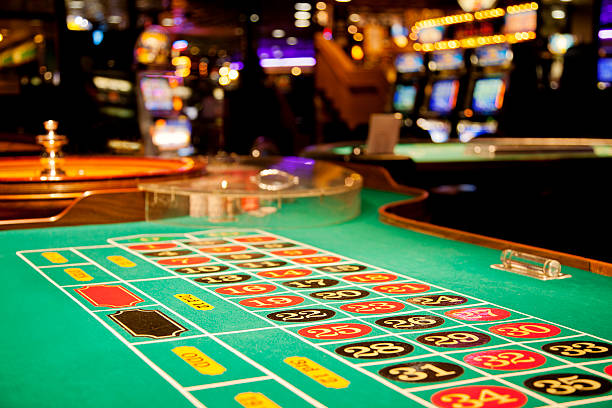
Moreover, the belief that certain bets are luckier than others can lead to flawed strategies. For example, some players might avoid betting on specific numbers in roulette believing they are “bad luck.” However, every number has an equal chance of appearing over time. Embracing the true nature of randomness can foster a healthier perspective towards gambling, encouraging players to enjoy the experience without becoming overly dependent on the idea of luck.
Superstitions: From Rituals to Strategies
Superstitions play a significant role in gambling culture, with many players subscribing to various rituals intended to boost their luck. These might include wearing lucky charms, following specific routines, or even avoiding certain numbers deemed unlucky. While these practices provide a sense of control for players, they often have no bearing on the actual outcomes of the games. Instead, they can lead to a misallocation of resources and misguided confidence in false beliefs.
For instance, many poker players have a ritualistic approach to card dealing or shuffling, believing that certain methods can sway the odds in their favor. This mindset misplaces emphasis on personal influences rather than acknowledging the game’s inherent randomness. Such beliefs may provide psychological comfort, but they do not alter the mathematical realities of poker, where strategy and skill are far more critical than superstition.

Understanding and recognizing the role of superstitions can help gamblers become more rational in their approach. By distinguishing between what is emotionally comforting and what is statistically sound, players can make more educated choices regarding their gambling habits. It is essential to promote a more analytical mindset that values strategy and probability over superstitions that lack any empirical basis.
The Role of Skill in Games of Chance
Contrary to popular belief, not all gambling involves pure luck. Games like poker, blackjack, and sports betting blend elements of skill and chance, allowing knowledgeable players to gain an advantage. In these games, understanding strategy and psychology can significantly impact a player’s success, making skill a crucial factor in achieving favorable outcomes. This nuance often gets lost in the broader conversation about luck in gambling.
For instance, in poker, successful players rely on a combination of mathematical calculations, psychological tactics, and strategic betting. They assess their opponents’ behaviors, evaluate the pot odds, and make calculated decisions based on their position at the table. While luck may influence specific outcomes, the consistent application of skill over time tends to yield better results. This reality challenges the idea that luck is the sole determinant of success in gambling.
Recognizing the importance of skill can empower players to approach these games with greater confidence. By investing time in learning strategies and honing their abilities, players can shift from a passive reliance on luck to an active engagement with the game. This transition not only improves their chances of winning but also enhances their overall experience and satisfaction while gambling.
Emotional Impact of Luck and Loss
The psychological effects of gambling outcomes can heavily skew a player’s perception of luck. Winning can lead to feelings of elation, while losing may result in frustration or despair. This emotional rollercoaster can dim the clarity with which players view their experiences, leading to overreactions or poor decision-making. Many gamblers might attribute a loss to bad luck, rather than analyzing the decisions that led to that outcome.
Moreover, the idea of luck can exacerbate gambling addiction. Players beset by losses may chase after their luck, believing that a win is just around the corner. This mindset can lead to a damaging cycle of increased wagering and emotional distress. It’s crucial to draw awareness to this phenomenon and encourage responsible gambling practices, emphasizing that outcomes are not simply the result of luck, but rather a combination of skill, probability, and decision-making.
Understanding the emotional impact of gambling helps players cultivate a healthier relationship with the activity. By separating their self-worth from their gambling outcomes, they can approach games with a clearer mindset, encouraging enjoyment rather than dependence on the ephemeral concept of luck. Promoting emotional resilience within gambling culture can lead to more sustainable participation and a reduced risk of harmful behaviors.
Finding Balance: The Reality of Gambling
In conclusion, a balanced perspective on gambling is vital. Recognizing the myths surrounding luck, superstitions, and emotional impacts can foster a healthier understanding of both the joys and risks associated with gambling. Education about the responsibilities of gambling, combined with a focus on skill and probability, can create a more informed player base. This awareness not only promotes better decision-making but also encourages players to enjoy gambling as a form of entertainment rather than an avenue for financial gain.
By challenging the traditional narratives around luck and replacing them with facts and critical thinking, players can approach gambling with a more rational mindset. Engaging with the odds and strategies can lead to more satisfying experiences, allowing players to embrace the uncertainty of gambling while still enjoying its inherent thrills. This shift in perspective can make all the difference in how one navigates the gambling landscape.
For more insights and resources on responsible gambling, our website offers a wealth of information tailored to enhance your understanding and enjoyment of gaming. Explore educational materials that dive deeper into strategies, emotional health, and the realities of chances. Embrace a balanced approach to gambling and join a community that focuses on knowledge and fun above all else.